
Skip to content

Botanical Ingredient Technologies

Let’s talk about your project

Get more out of the plant.

Botanical ingredients for food, cosmetic, supplement and R&D teams, made by supercritical CO2 extraction. The extraction agent is natural carbon dioxide.

Let’s talk about your project
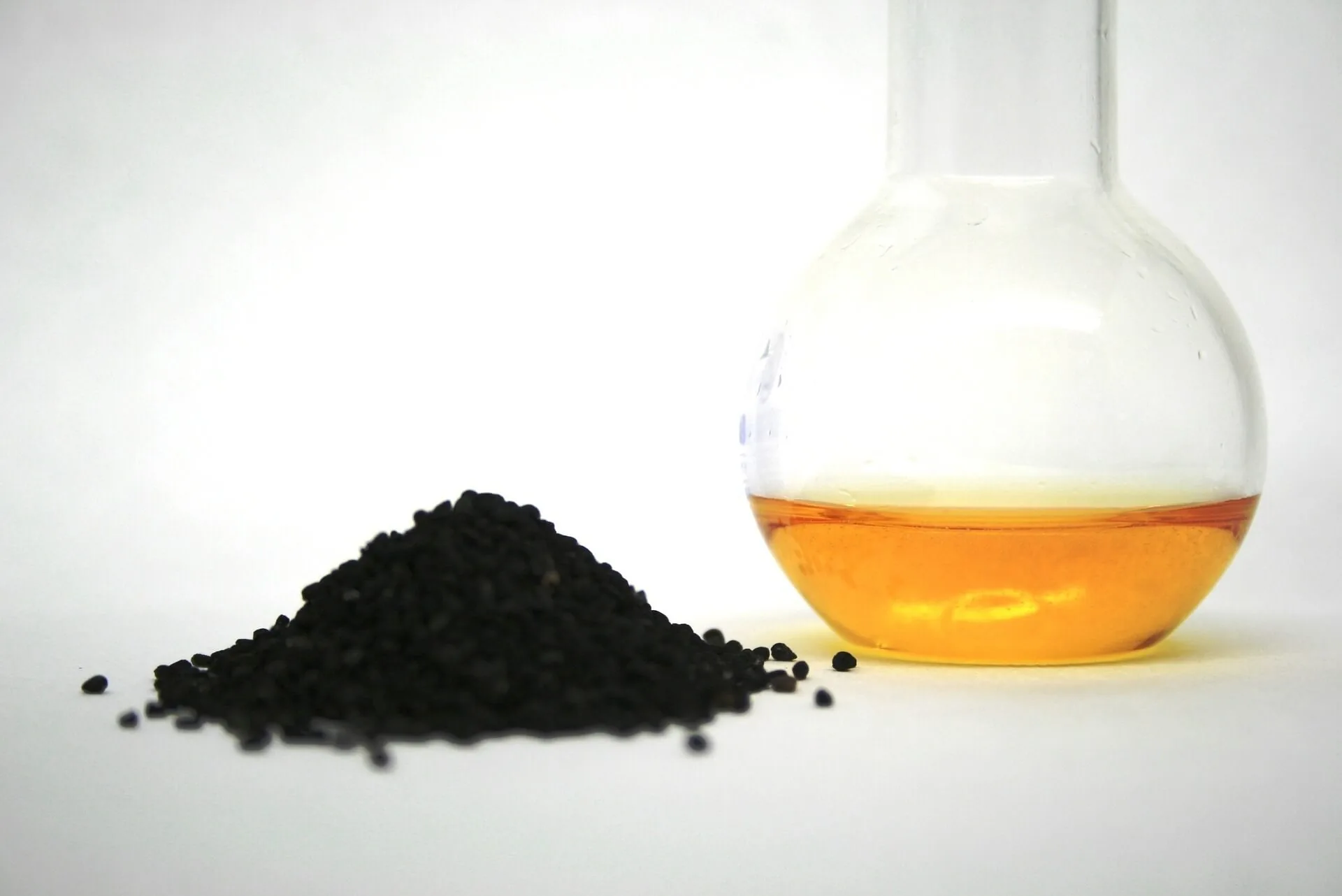
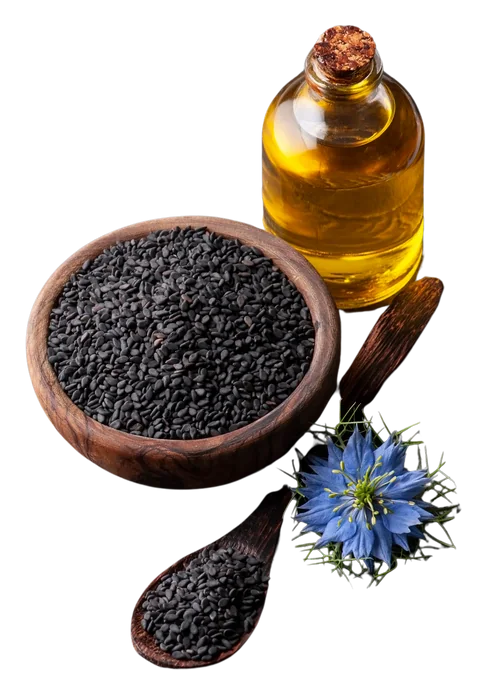
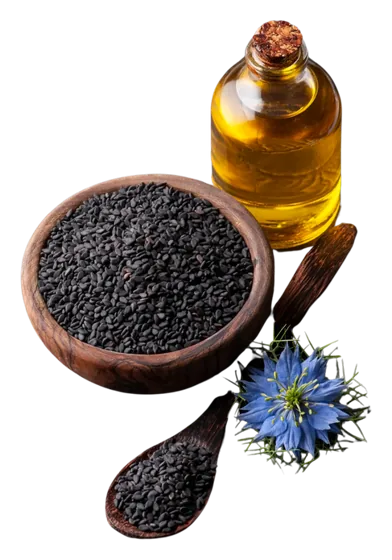
A heap of black cumin seeds next to a glass flask filled with amber oil aSeed · Nigella sativabSupercritical CO₂ oil
Fig. 1Black cumin seed (a) and the oil obtained from it by supercritical CO2 extraction (b). Illustrative image.

02Cycle

Five products from a skin taken for waste.

The tomato's journey into added value Seed to field, field to tomato, tomato to paste; the skin left from paste becomes lycopene by supercritical CO₂ extraction, its spent material becomes plant protein by a biotechnological process, the rest becomes tomato skin fibre, and the fibre becomes bread and bioplastic. From field to factory SeedFieldTomatoTomato paste Left over from paste Taken for wasteTomato skin SupercriticalCO₂ extraction 01 · productLycopene IntermediateSpent skin Biotechnologicalprocess 02 · productPlant protein 03 · productTomato skin fibre 04 · productBread 05 · productBioplastic

Seed to fieldField to tomatoTomato to pastePaste to skin

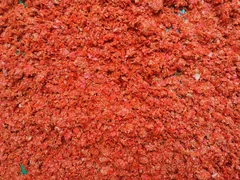
  1. 01Dried, ground red tomato skin

    Tomato skin

    The skin left over from tomato paste, usually seen as waste.

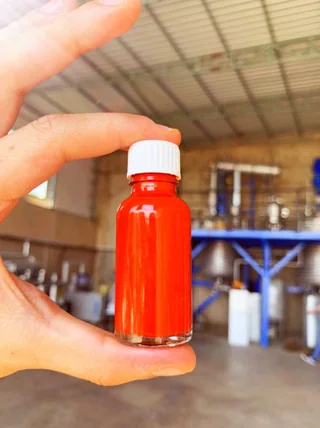
  2. 02Supercritical CO2Red lycopene extract in a small glass bottle, held up in the facility

    Lycopene

    From the skin, by supercritical CO2 extraction.

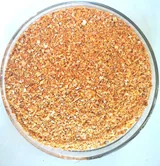
  3. 03Light orange spent material in a petri dish

    Spent skin

    The skin without its lycopene, raw material for the next step.

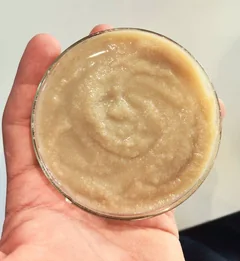
  4. 04Cream-coloured plant protein in a petri dish held in the hand

    Plant protein

    From the spent skin, by biotechnological means.

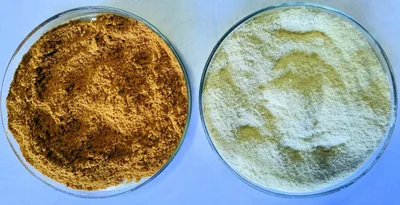
  5. 05Brown and light-coloured fibre in two petri dishes

    Tomato skin fibre

    From the spent skin without lycopene and protein.

  6. 06
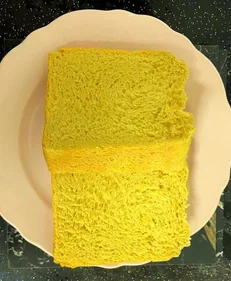
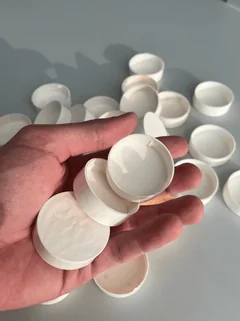
    A yellow fibre-enriched slice of bread on a plateWhite bioplastic caps in a hand

    Bread and bioplastic

    From fibre to bread; from fibre to bioplastic.

Fig. 2The tomato's journey into added value: an upcycling example. A skin seen as waste becomes five separate products in a chain that starts with supercritical extraction. The photographs show the work's own samples. Brand statement

Sustainability

What we embrace and avoid; food supplements for a healthy life

Embrace

  1. Natural
  2. Quality
  3. Hygienic
  4. Pure
  5. Healthy
  6. Harmonious
  7. Supportive
  8. Constructive
  9. Rewarding
  10. Clean
  11. Energetic
  12. Charming
  13. Precious

Avoid

  1. Synthetic
  2. Cheap
  3. Mixed
  4. Additive-laden
  5. Sick
  6. Contrary
  7. Debilitating
  8. Damaging
  9. Harmful
  10. Dirty
  11. Drained
  12. Bad
  13. Ordinary

Food supplements for a healthy life

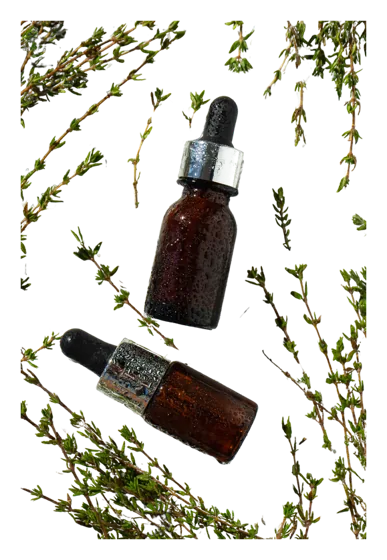
  • Black seed oil
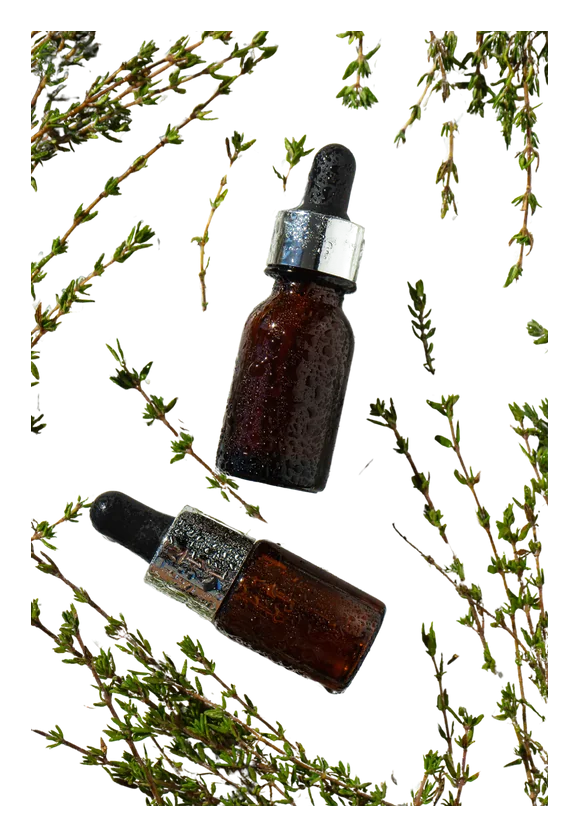
  • Thyme
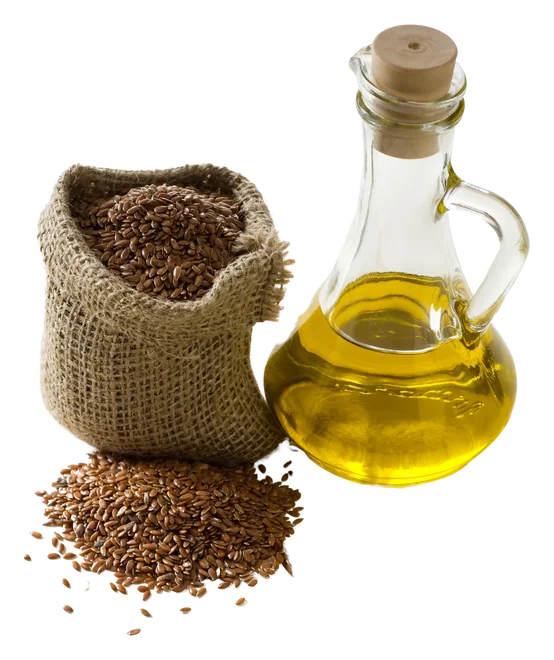
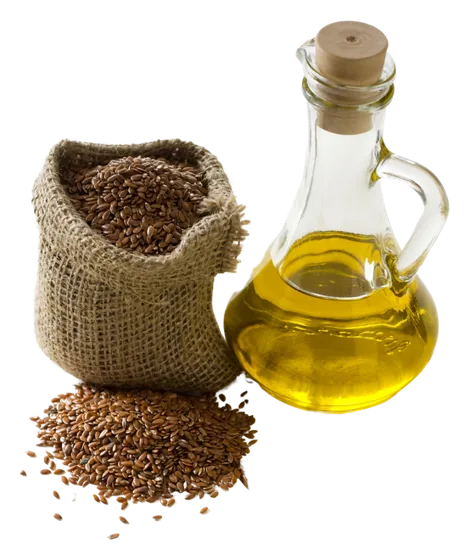
  • Flaxseed oil
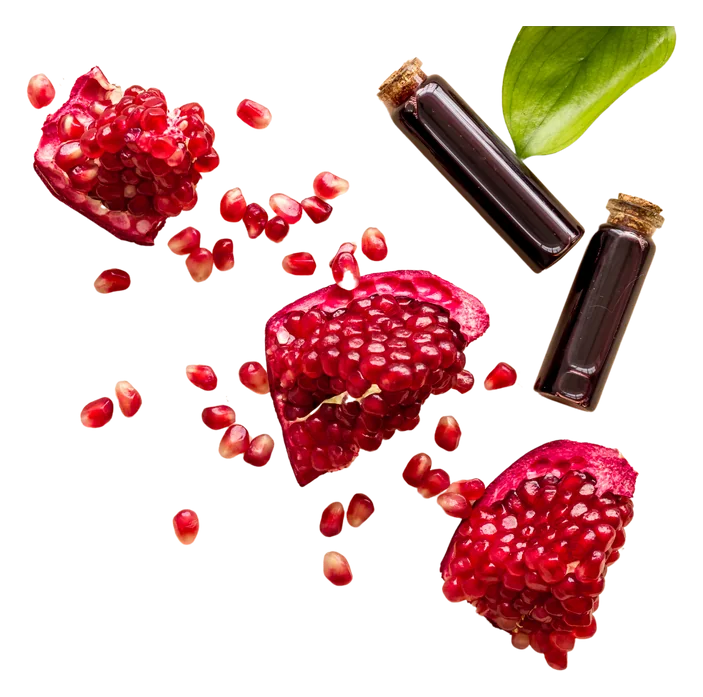
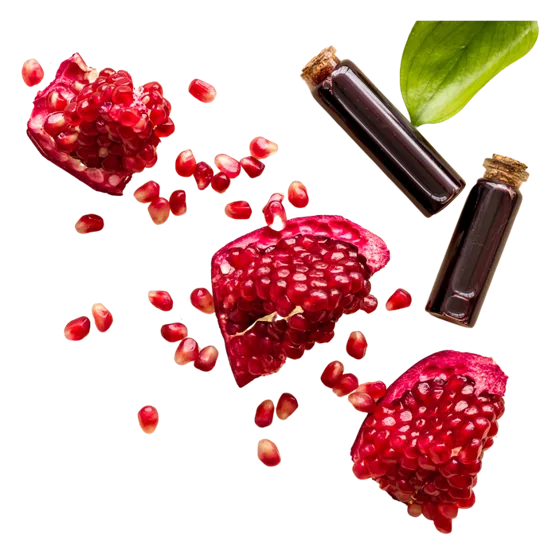
  • Pomegranate seed oil
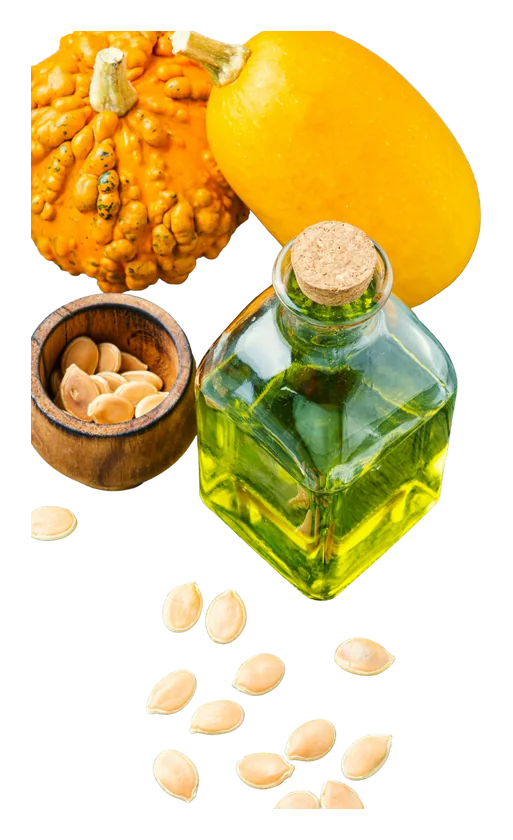
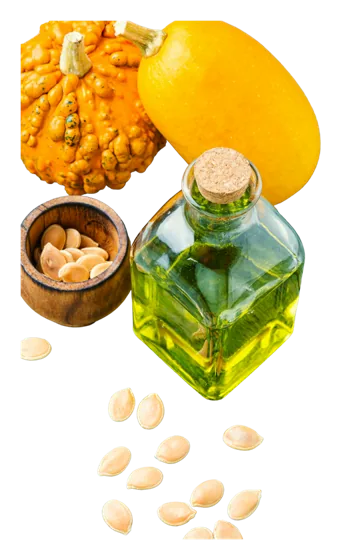
  • Pumpkin seed oil
  • Grape seed oil
  • Mint

Contributions to our way of life

  • Resilience
  • Refreshment
  • Vitality
  • Revitalization
  • Relaxation

The words on the right describe the way of life the products accompany; they are not paired with individual products and are not the effect of a product or a health claim. The products are not medicines and are not intended to prevent or treat disease.

04Method

Two methods. Two different jobs.

a

Supercritical CO2 extraction

Separates from the plant. All our products are made this way.

Supercritical CO₂ extraction, general method diagram CO2 tank pump heater extractor plant material pressure release separator extract CO2 returns to the loop 12345
Fig. 4aGeneral method diagram: tank, pump, heater, extractor, separator and returning CO2.
What it does
Pressurised CO2 in its supercritical state dissolves oils and aromatic compounds from the plant material; when pressure is released, CO2 turns back into gas and the extract separates.
Why it matters
Changing pressure and temperature adjusts which compounds are dissolved.
How it is assessed
Product sheet and analysis report.

b

Molecular distillation

Fractionates the extract. Used per project.

Molecular distillation, general method diagram Feed (extract) high vacuum heated wall thin film internal condenser short vapour path distillate residue 1234
Fig. 4bGeneral method diagram: thin film evaporator. Not applied to today's products.
What it does
Under high vacuum a thin film forms on a heated surface; evaporating molecules travel a short path to the condenser. The extract is split into distillate and residue.
Why it matters
Separates volatile compounds and removes a co-solvent from the extract; working at low temperature, it limits oxidation.
How it is assessed
Target profile, yield and analysis report.

Explore the technology

05Facility

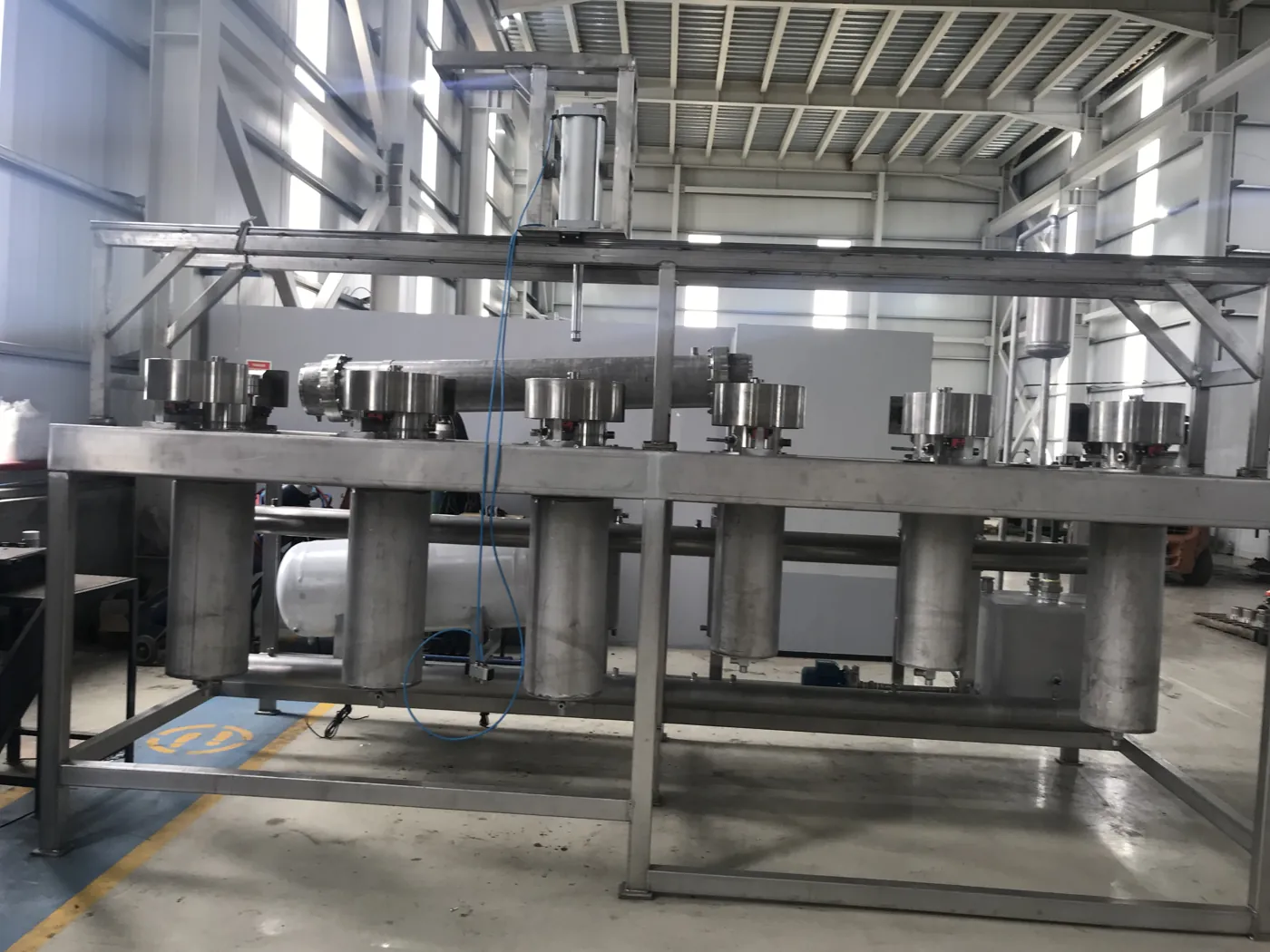
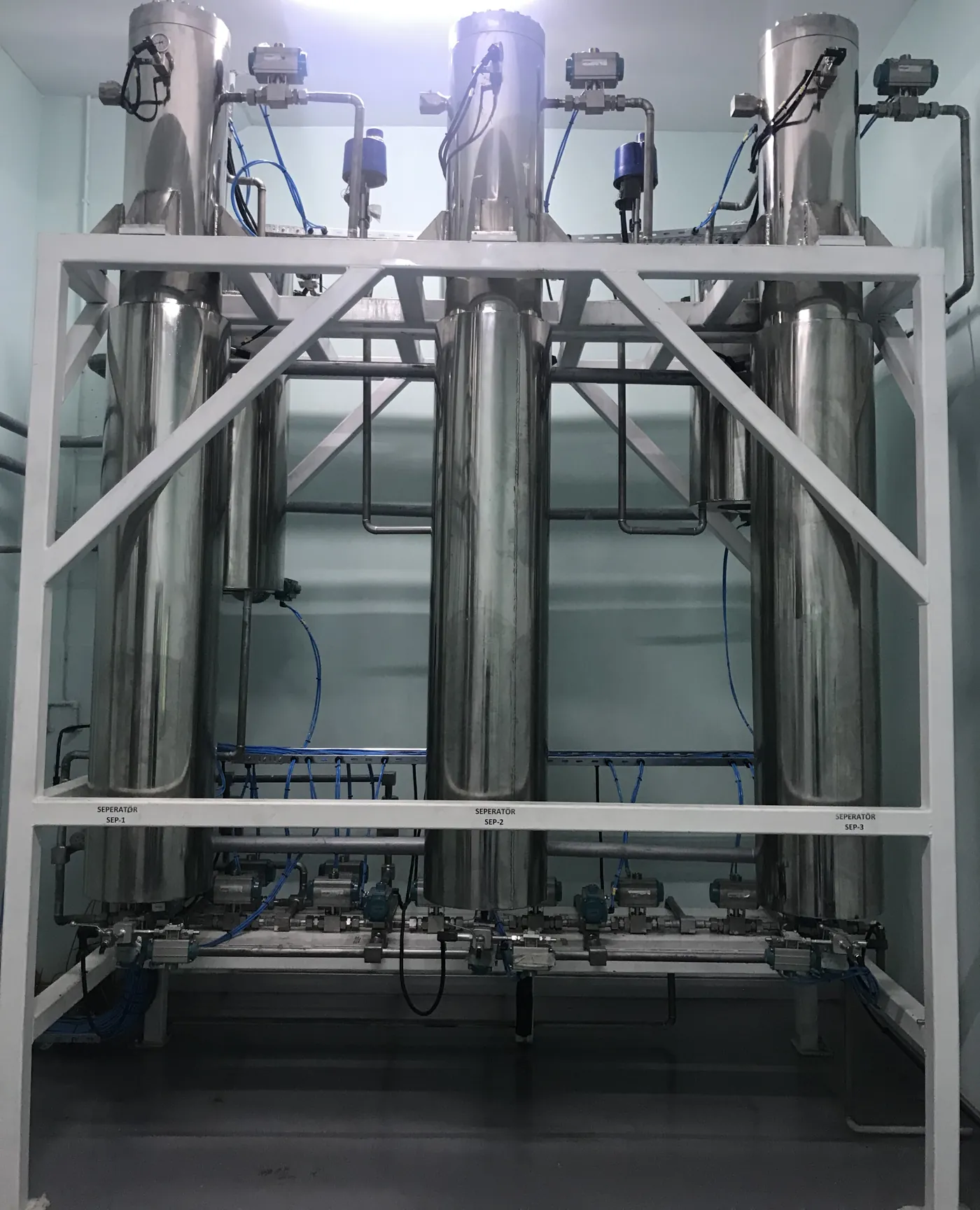
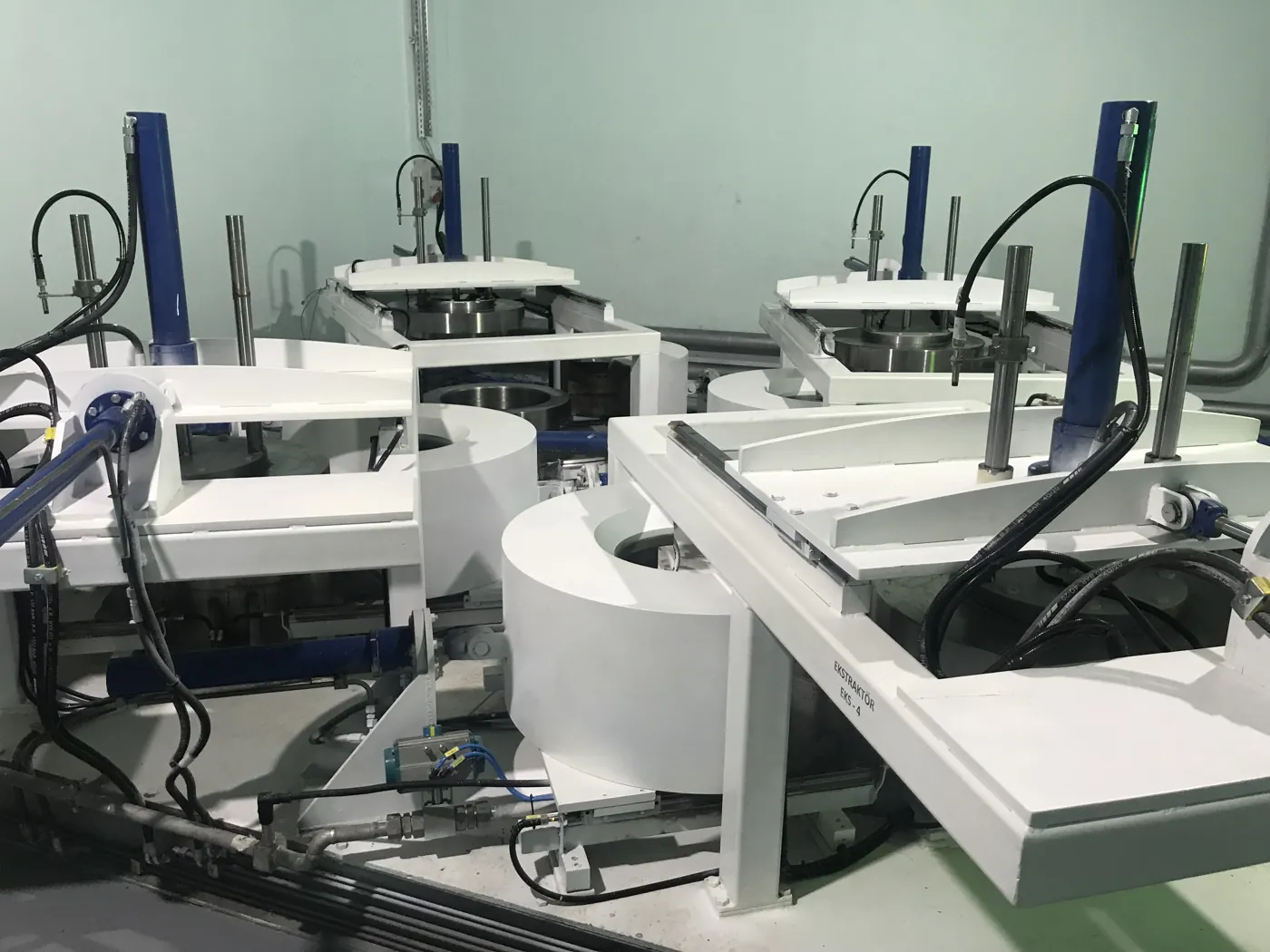
The line our products come from.

The supercritical extraction line during fabrication: stainless steel extractor vessels and closures
Three separator columns side by side in a steel frame, with gauges and valve connections
Hydraulic closure assemblies of the extractors, from above
  1. aThe extraction line during fabrication
  2. bSeparator columns
  3. cExtractor closures
extraction agent
Natural carbon dioxide; no co-solvent in today's products Brand statement
CO2 loop
CO2 that turns back into gas in the separator is recovered and reused Brand statement
Maximum operating temperature
+80 °C Brand statement
Automation
PLC, 15 inch touch panel, unlimited recipes, data logging Brand statement

Facility and laboratory

06Evidence

Documents, not claims.

  • SheetProduct sheetPhysical and chemical properties, fatty acid distribution, storage, allergen and GMO statement. For all seven products.Ready
  • CoAAnalysis reportThe measured results of a sample. Sample based today; one per batch at serial production.Analysis report
  • SDSSafety data sheetFor transport, storage and handling; when required.To be verified
  • QRPurity passportA code on the label that opens the batch record and its analysis report. To be set up with serial production.At serial production

The site shows only product values. Full sheets and analysis reports are shared individually on request.

Quality and traceability

07Technical conversation

Let’s talk about your project.

Which plant, which target compound, which product? Those three answers are enough for a first conversation. We work out the technical detail together.

Leave a technical request

0216 563 64 60Write an e-mail

Let us know who you are.

So we can get back to you, we'd like to know who you are. Your details are only added to the message you send; the site does not store them.